
TYPO3 Community Expansion Committee — First Half-Year Report for 2026
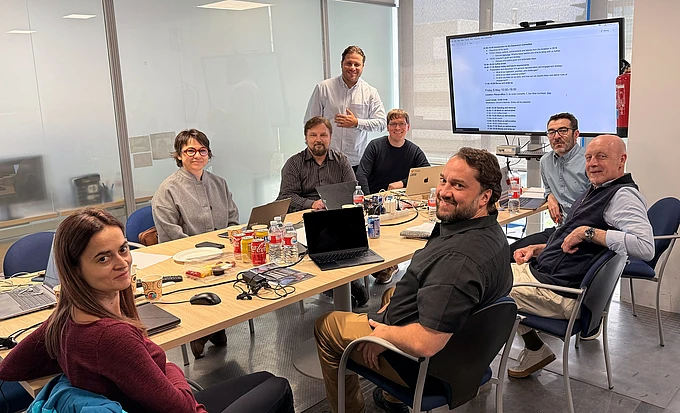
The TYPO3 Community Expansion Committee (T3CEC) advanced government partnerships on three continents in the first half of 2026. It held its first in-person sprint, in Madrid, and began shaping a TYPO3 camp for Africa later in the year.

We mark Burundi as the newest country where TYPO3 is developing a strategic hold, and a number of other countries are being engaged. We are currently in various degrees of progress in Senegal, Ghana, Tunisia, South Africa. Our sprint in Madrid, Spain, gave our members their first chance to align in person. The connections made there, together with appearances in Norway and the USA, fed into plans for the rest of the year.
G4I Congress in Madrid
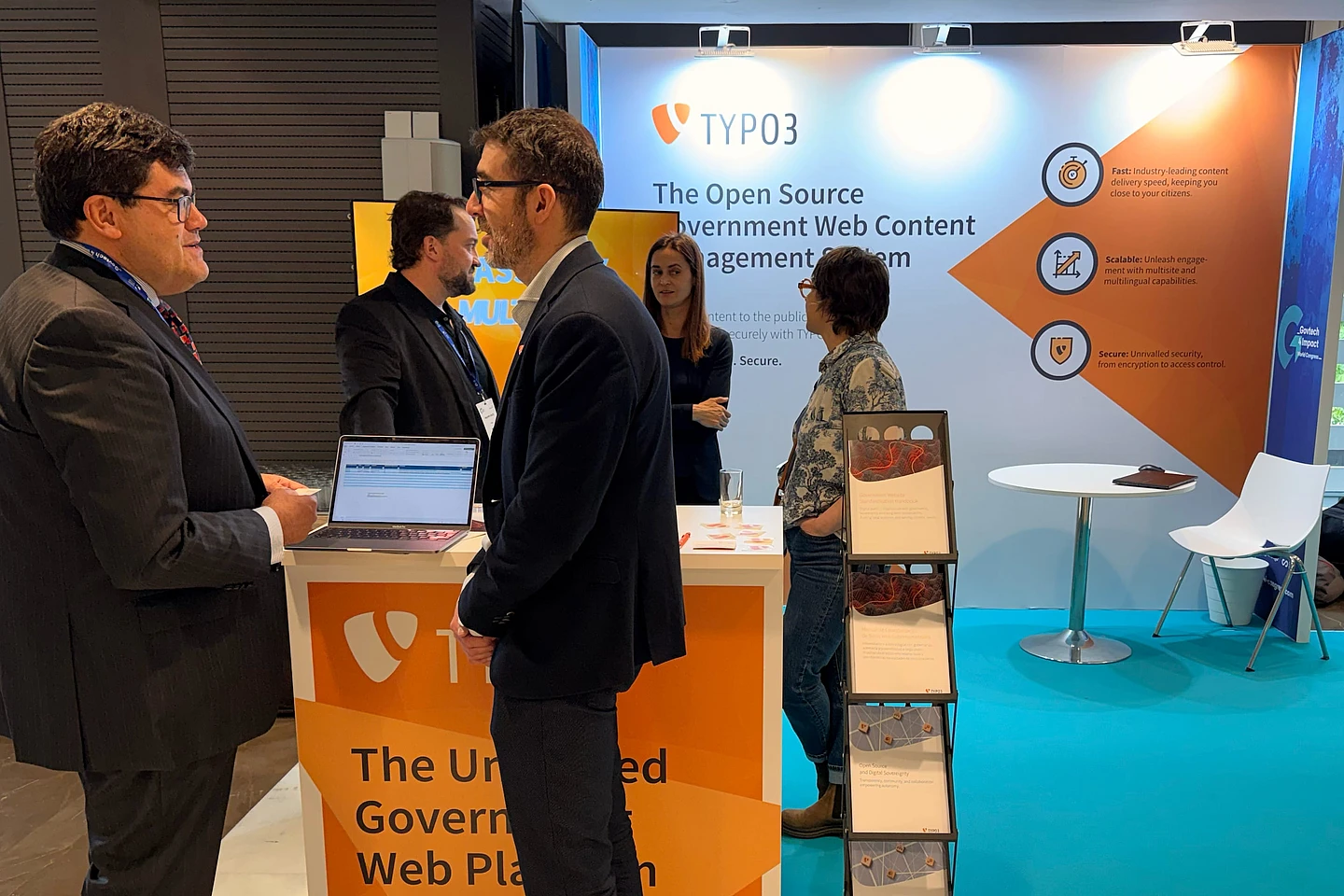
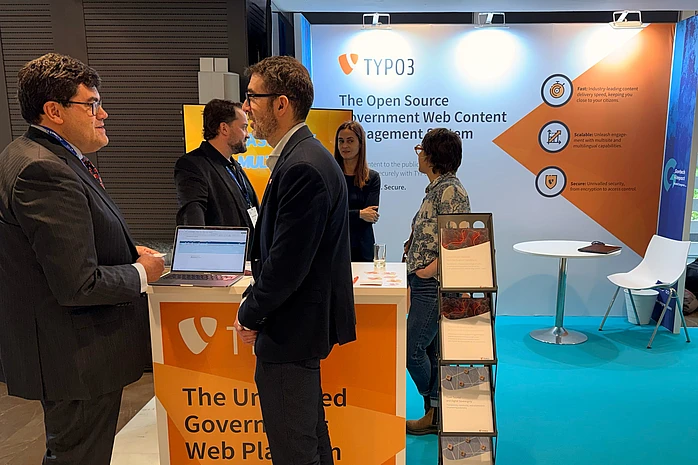
May was the committee's highlight month, with two back-to-back events in Madrid. First came the Govtech 4 Impact (G4I) World Congress, aimed at public sector and government audiences. Members from Canada, France, Germany, Norway, Romania, and Spain volunteered at a TYPO3-branded booth for three days, drawing a record number of follow-up conversations.
The conversation at a committee booth is less about selling TYPO3 and more about governance, digital sovereignty, and the sustainability that open collaboration brings to local job creation.
Although many visitors were local, the conversations reached far beyond Spain. Committee members spoke with representatives from across four continents, including officials from as far afield as Cambodia, Papua New Guinea, and Uruguay. Local hosts Alen Nocajevic and Carlos Llanos, from TYPO3 partner and Association's gold member agency Plexus Tech, supported the booth on-site. Their Spanish translations of our brochures proved especially popular with visitors.
The Committee’s First Sprint
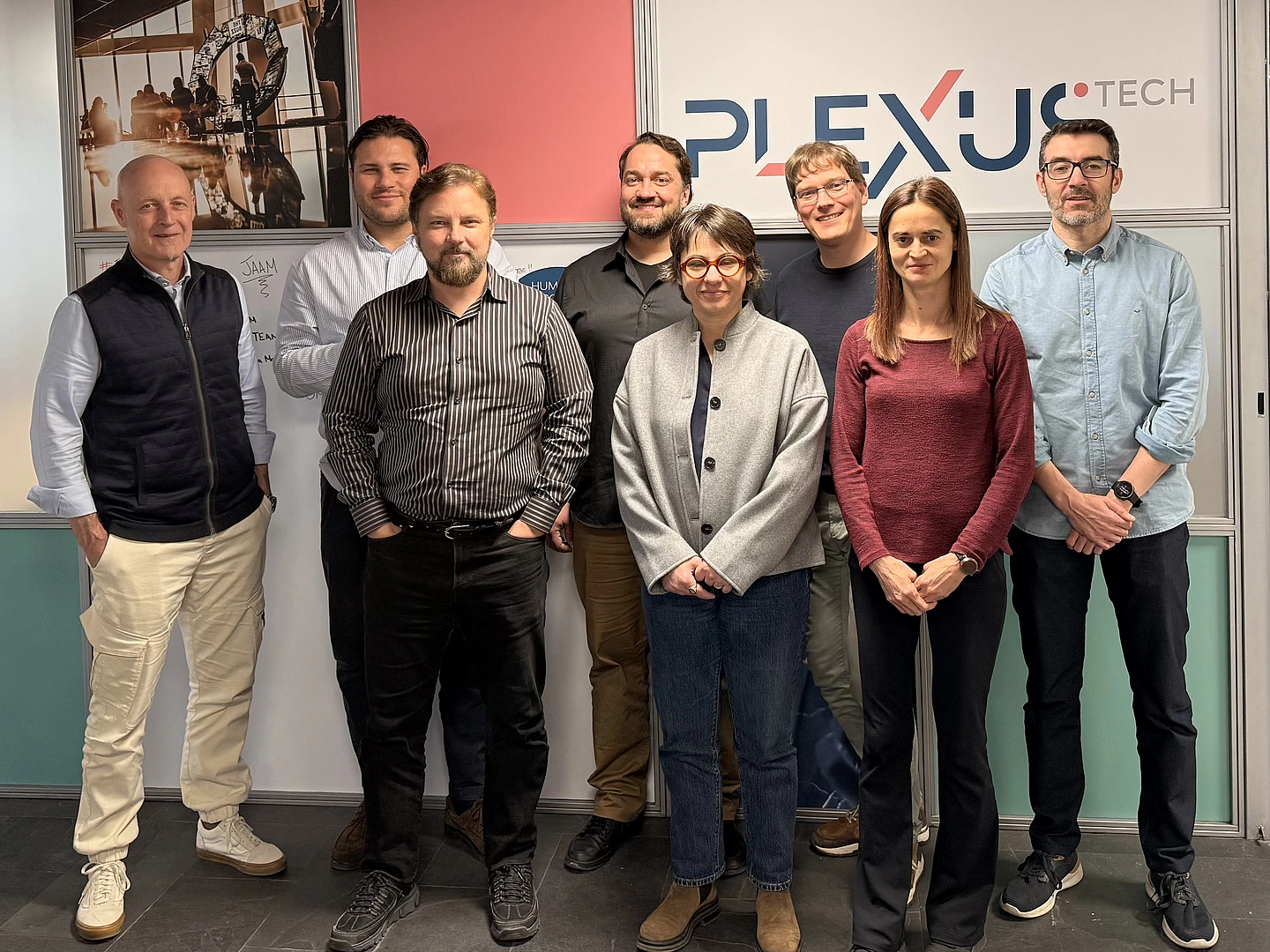
Once G4I wrapped up, the group expanded to nine people for the committee's first-ever sprint. It took place at Plexus Tech's Madrid office 7–9 May. Over three days, moderated by Daniel Homorodean and Mathias Bolt Lesniak, the group worked through its history since its founding in 2018 and its long-term strategy. They also worked through a long list of concrete deliverables.
Those deliverables included:
- A framework for classifying TYPO3 markets, with clear definitions of what we can provide and what we expect from partners in return.
- Clearer definitions of the organizations the committee works with, from central governments to agencies and development partners.
- An event runbook, including how we choose events and represent ourselves there.
- A plan for maintaining presentation materials, such as slide decks and brochures.
A smaller group used a spare moment to finish the outstanding sections of the GovStack CMS Building Block specification, so it could be submitted for formal review.
The sprint closed with concrete assignments. Members split up responsibility for following up on leads from G4I and other tasks.
Burundi and Senegal
In Burundi, Daniel Homorodean held talks with the Ministry of Education about a model for standardizing government websites. The goal has been to create a model that can be tailored to individual institutions, while staying simple enough for other countries to adopt later.
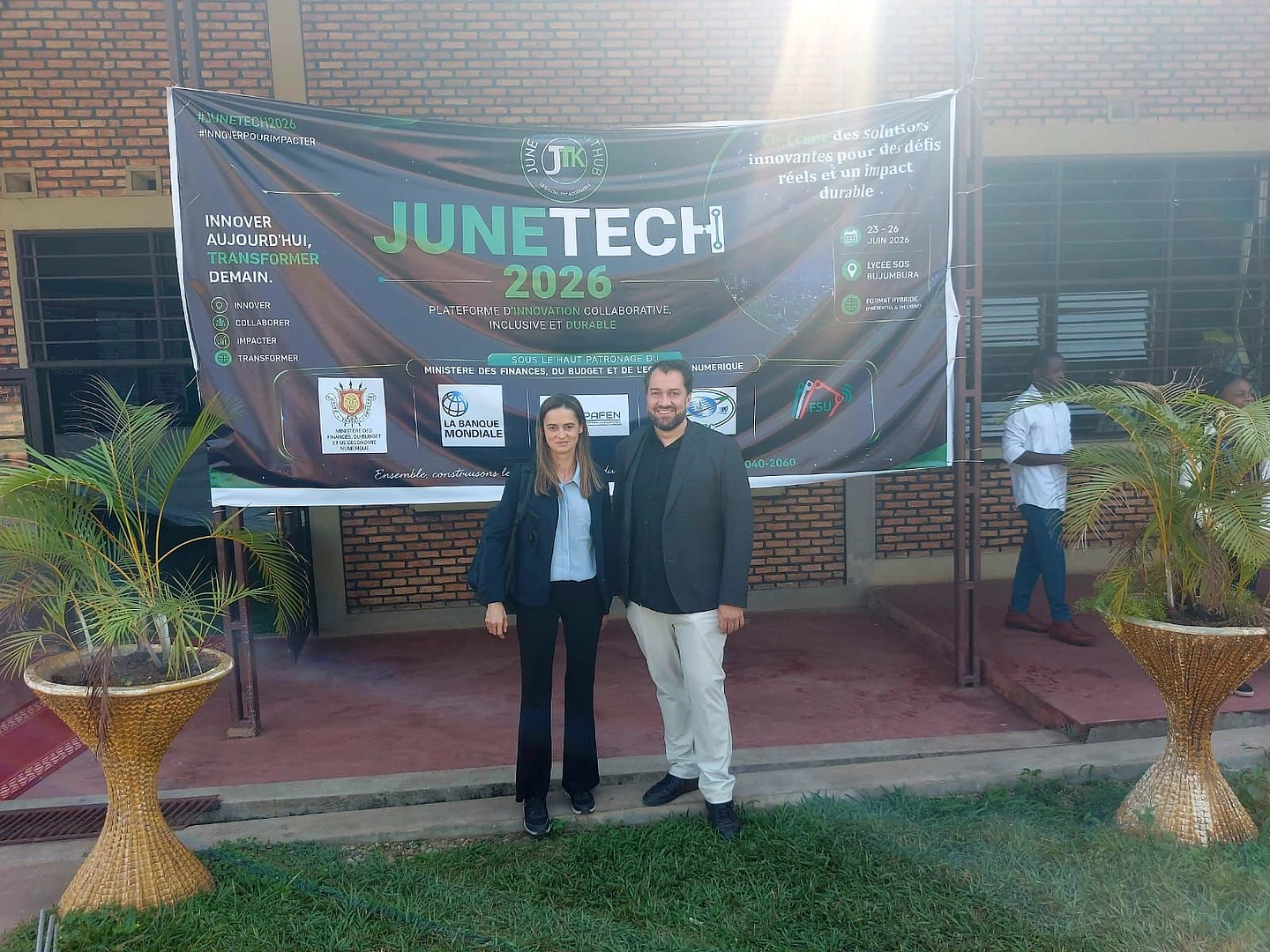
That relationship deepened further in June, when Alina Fleser and Philippe Fekete traveled to Burundi to participate in JuneTech and showcase a local university's new TYPO3 website. It was built as a template other universities could reuse. The reception was enthusiastic. Meetings followed with the ministries of Education and Youth, as well as with École Normale Supérieure (ENS), and we are now looking for ways to extend the collaboration to more universities. Read more in Alina’s report.
In the beginning of the year, promising engagements with Senegal gave the perspective of a potential adoption. After an initial coordination meeting, we began preparing documents to guide the collaboration. We continued talks with Senegalese counterparts, defining a plan for a TYPO3 knowledge transfer program. Final government approval is still pending, and at the time of writing the process is pending.
Other Country Involvement
Several other countries moved toward commitment:
- Rwanda and Ethiopia remained the committee's active projects.
- Ghana, Uganda, and Cambodia joined Burundi and South Africa as leads being worked.
- In Somalia, we helped create a website strategy as an enabler for further funding. It is currently pending approval by the ministry.
- Tunisia is still an unconfirmed lead, but with an existing TYPO3 community and great potential.
- In Syria, we were kept in the loop on the ongoing TYPO3 work led by Abdulhamid Kwieder.
Norway received particular attention from Mathias Bolt Lesniak, who represented TYPO3 at two government round tables about international development. He argued in favor of open source models and the inherent benefit to local autonomy in front of the ministers for international development and digitalization.
Building Toward a TYPO3 Camp in Africa
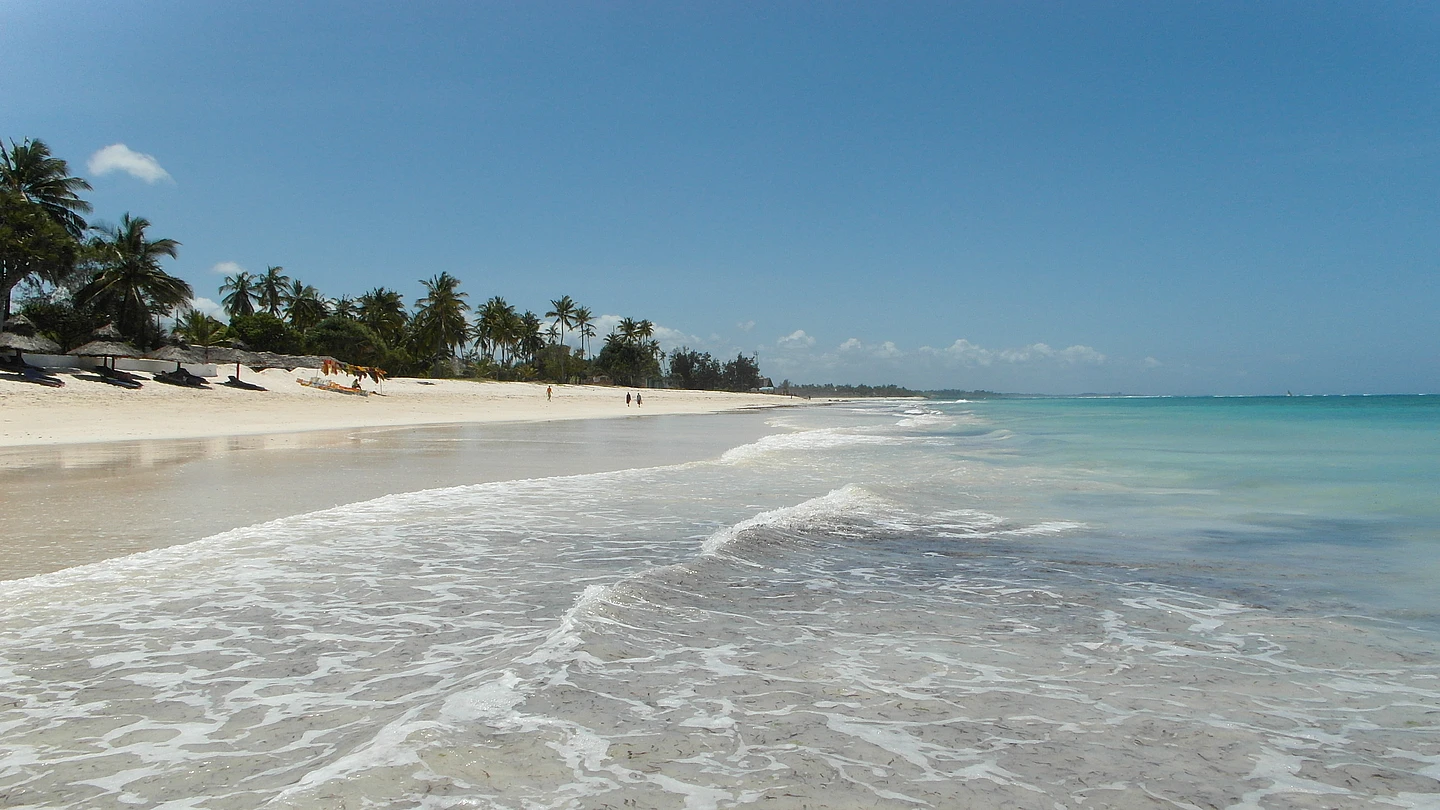
Early in the year, we began discussing an event that would bring its African partners together with interested governments under one roof: a TYPO3 camp for Africa. The idea sharpened considerably during the Madrid sprint. There, the group settled on Diani Beach, Kenya, as the location. After further planning, we settled on December for the event.
The planning of TYPO3 Camp Africa is proceeding with Alina Fleser taking the organizational lead.
After difficulties getting a visa in time for T3CON in November, Yonas Engida Gebremariam from Ethiopia was finally able to join the TYPO3 Developer Days in Karlsruhe, Germany in August.
Carrying TYPO3's Message to the World
Beyond Madrid, we used the first half of the year to put TYPO3 in front of new audiences. Philippe Fekete represented us at the TYPO3 Summit North America. It drew significant enthusiasm from a broad mix of backgrounds, with governance as a central topic of discussion. Around 30 people attended, about half of them from the TYPO3 community. We see the event as a worthwhile investment going forward.
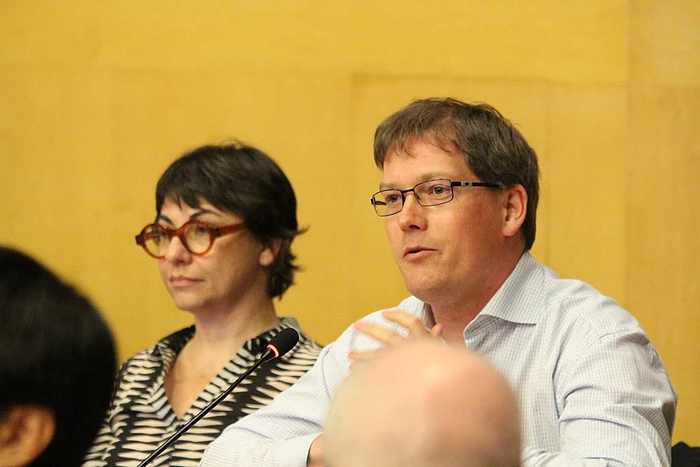
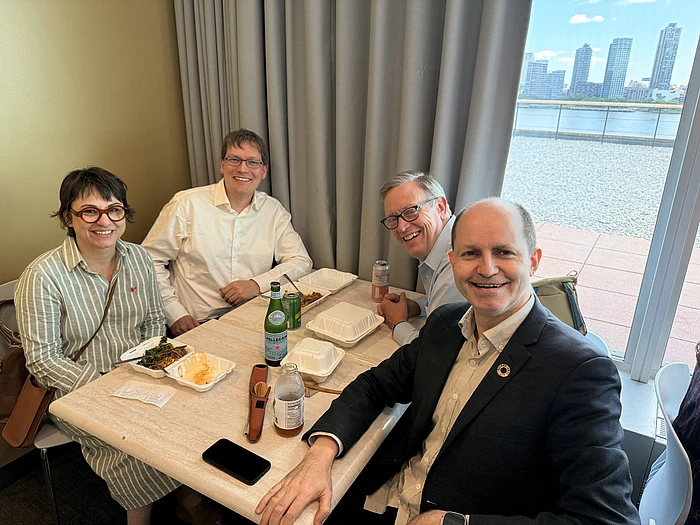
The half-year closed with our biggest stage: the UN Open Source Week in New York. Mathias Bolt Lesniak and Rachel Foucard represented TYPO3 among some 1,400 attendees from more than 100 countries. Rachel later wrote up ten quotes that captured the week's discussion on digital sovereignty for TYPO3 News.
In July, we held an online workshop on selling TYPO3 in growth markets. We received much positive feedback from the approximately 20 participants. The event will be repeated quarterly, alternating European morning and afternoon to cover both America and Asia.
Looking Ahead to the Second Half of 2026
We are preparing a side event at the German-African Business Summit (GABS) in Accra, Ghana, in November.
We are still waiting for feedback on the GovStack CMS Specification after submitting the final version.
To support our need for better follow up of leads and to manage logistics, Daniel Homorodean drafted a job description for a dedicated support role. We continue our search for a candidate to fill its open secretary or assistant role.
Get Involved
If you're interested in supporting our work, you can read more on the Community Expansion Committee page and reach out to leader Daniel Homorodean to get involved. Committee members meet every two weeks to coordinate outreach across a growing number of countries.
Community Expansion
The TYPO3 Community Expansion Committee (T3CEC) goal is to foster the use of TYPO3 by developers, agencies and clients all over the world.
