
Ten Quotes That Captured the Spirit of the UN Open Source Week
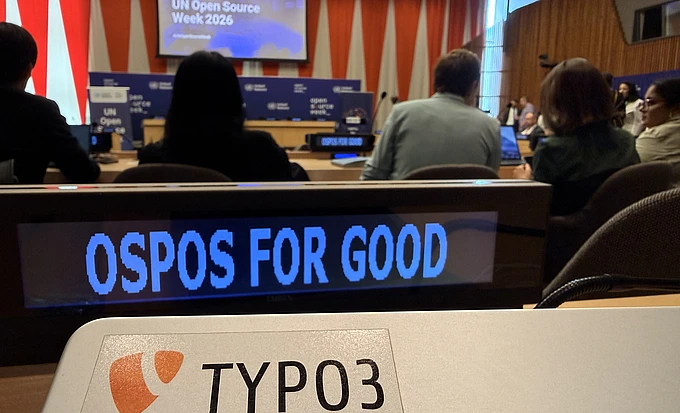
What does digital sovereignty really mean? At the UN Open Source Week in New York, one panel tackled that question through a series of memorable insights on collaboration, security, sustainability, and public investment.

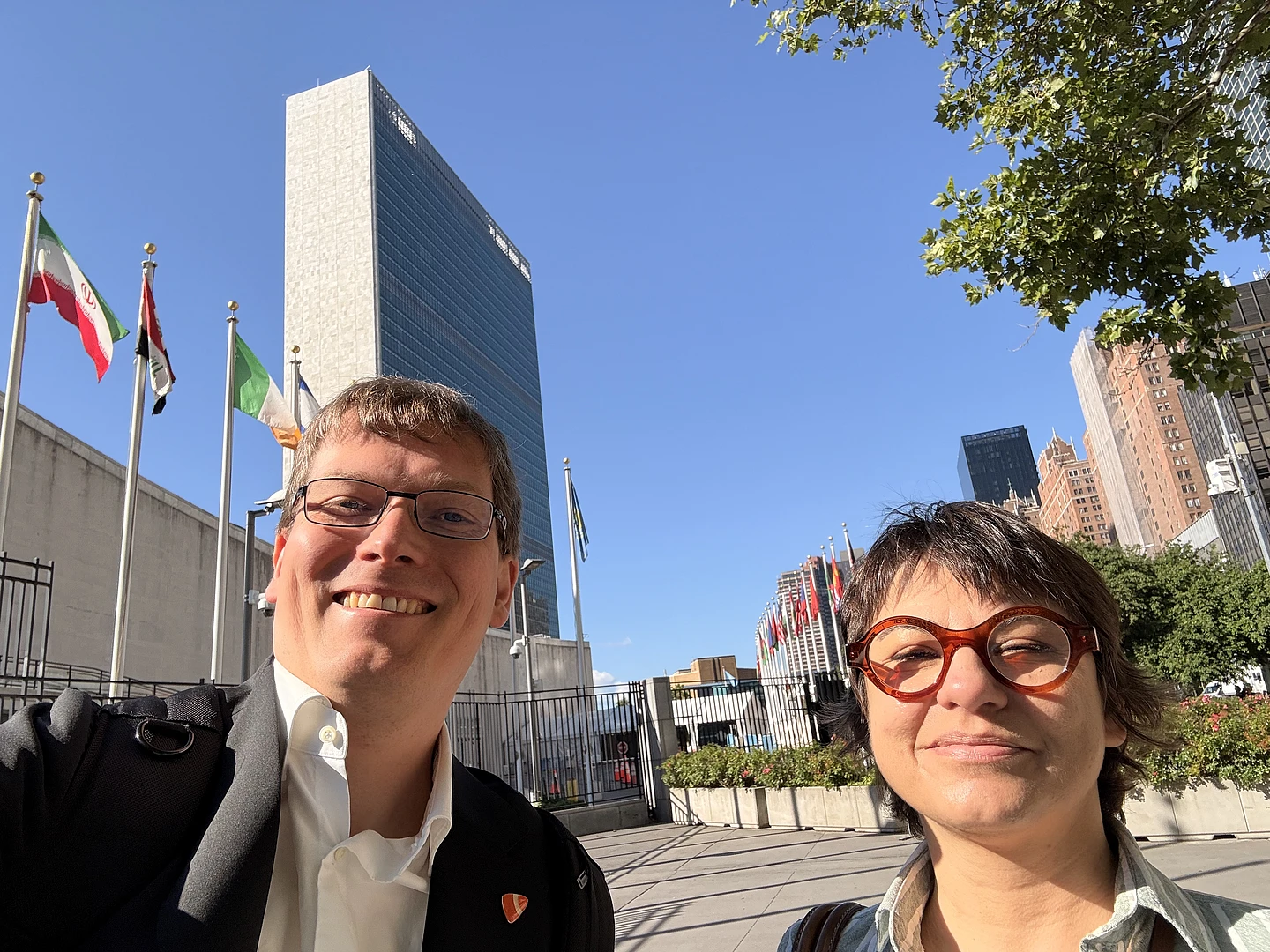
I recently had the opportunity to attend the UN Open Source Week in New York. Discussions covered many aspects like public policy, AI, security, sustainability, digital public infrastructure, procurement, and international cooperation.
But, rather than attempt to summarize an entire week of presentations and conversations, I chose to focus on one panel that, in my opinion, captured many of the key ideas discussed across the event: Open Source and Digital Sovereignty in a Connected World
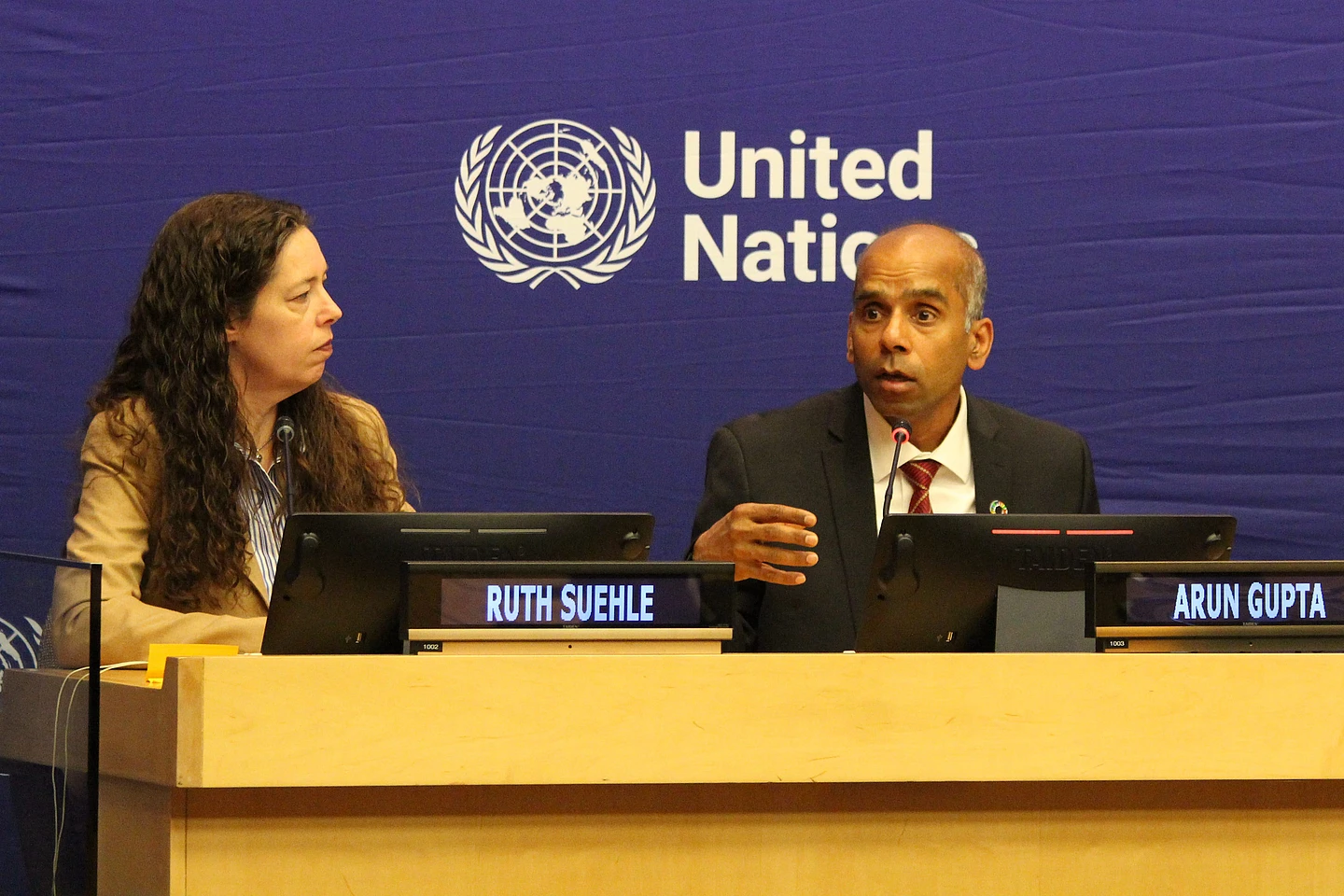
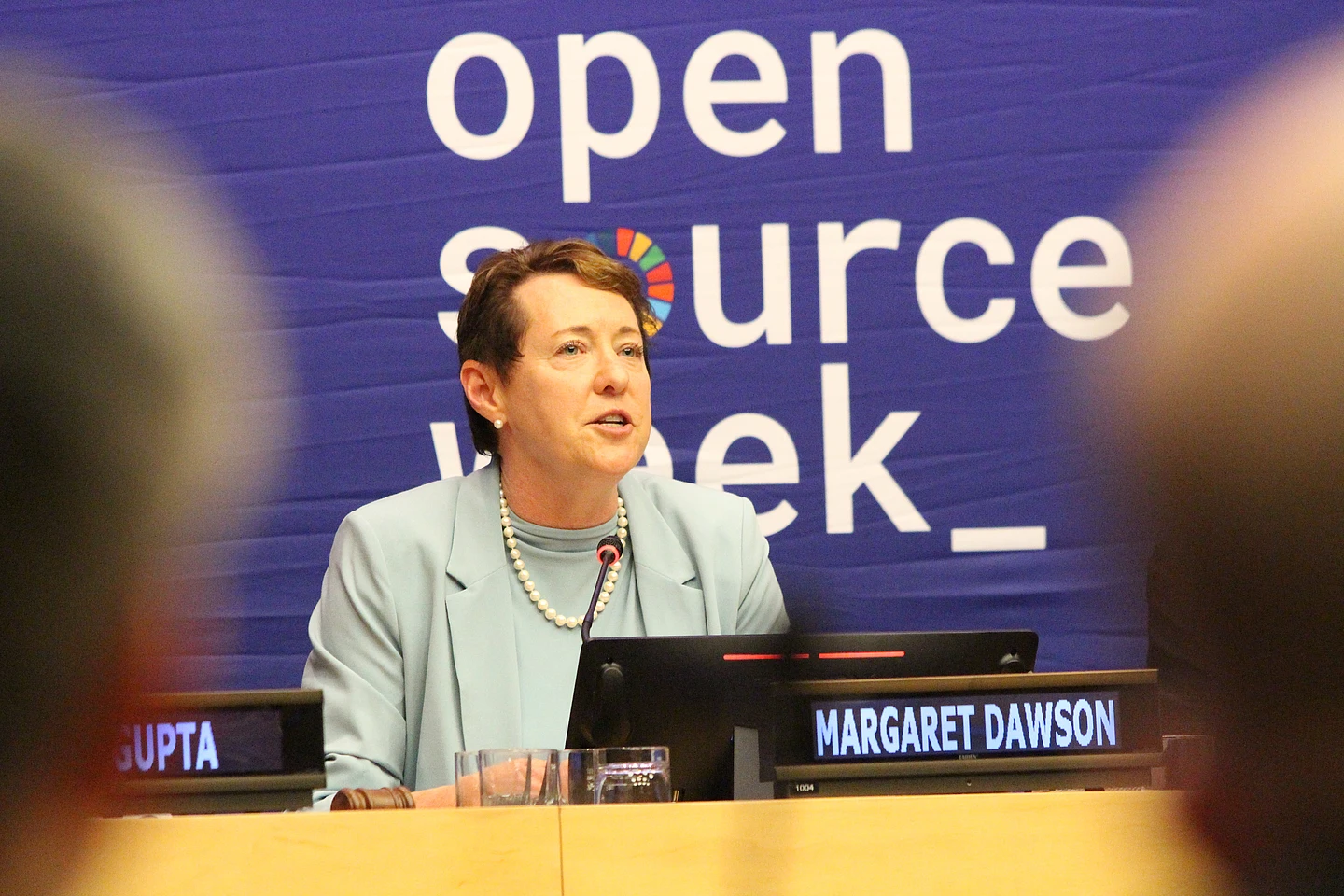
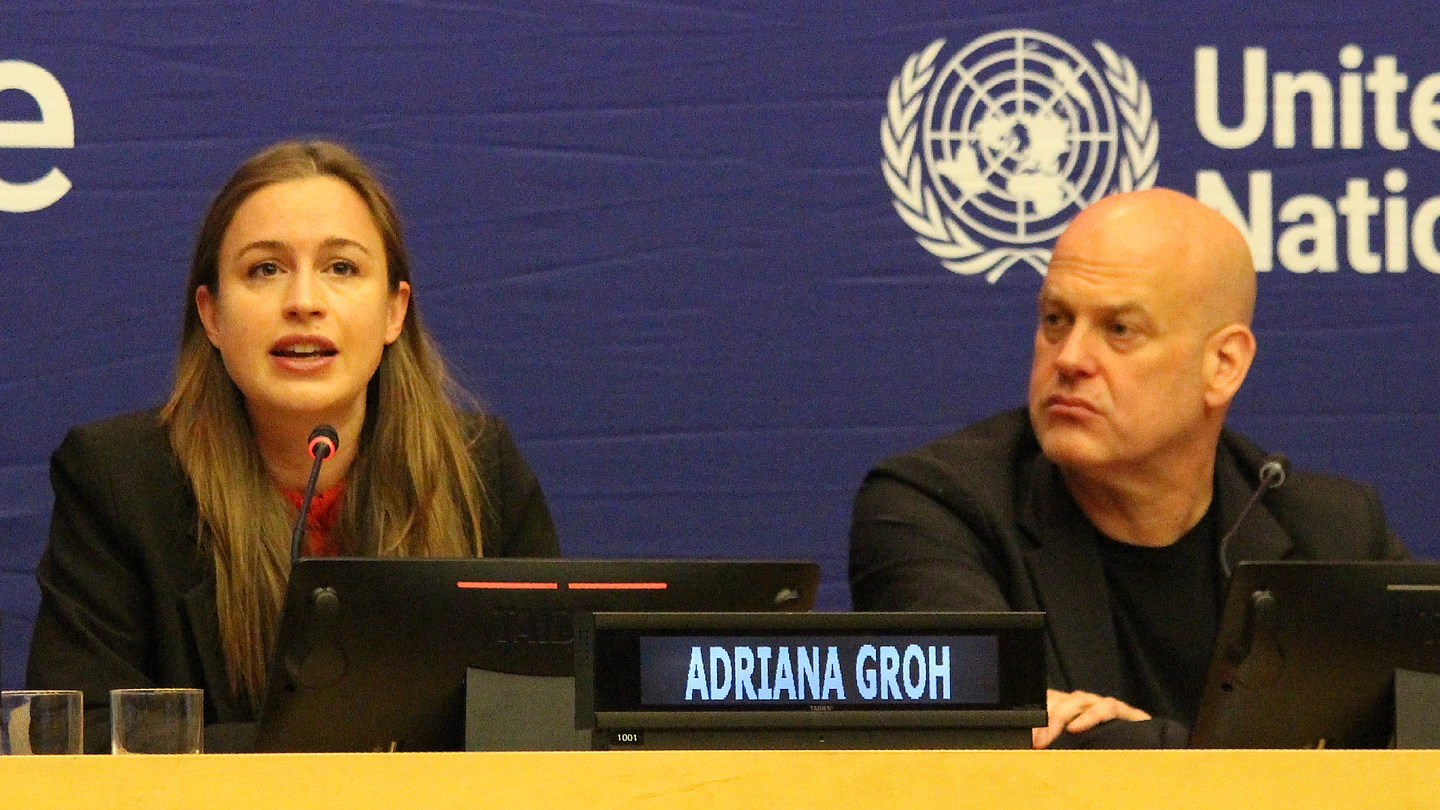
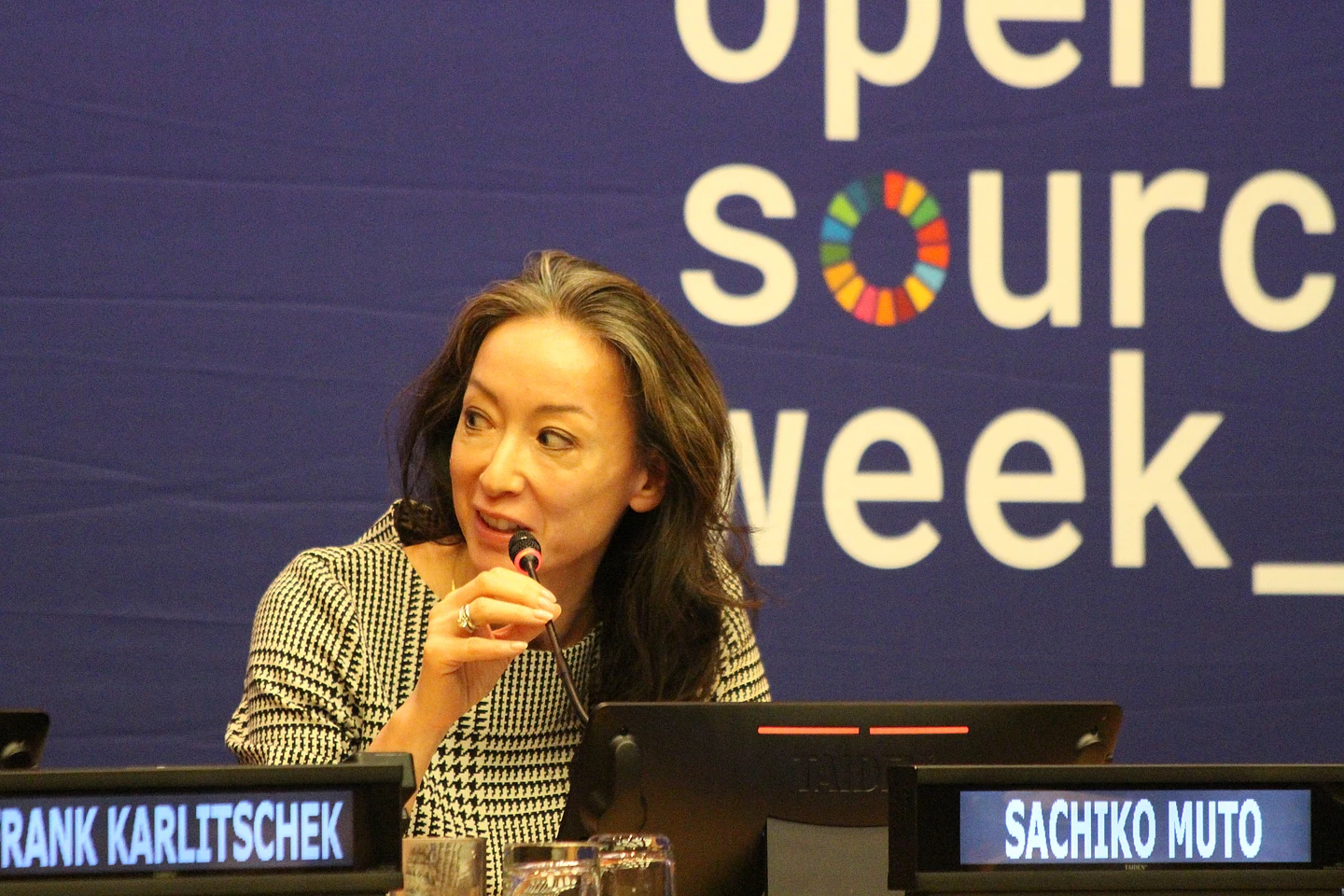
The panel brought together representatives from international organizations, foundations, and industry:
- Ruth Suehle — president, Apache Software Foundation
- Margaret Dawson — CMO and open source advocate, SUSE
- Arun Gupta — director of open source and developer platform, NVIDIA
- Sachiko Muto — CEO, OpenForum Europe
- Adriana Groh — managing director, Sovereign Tech Agency
- Frank Karlitschek — CEO/founder, Nextcloud
Instead of writing a traditional conference report, I thought it would be more enjoyable to let some of the strongest quotes guide the story.
“Digital Sovereignty Is Not About Independence. Independence Is a Myth.”
This was probably the sentence that best reframed the entire discussion.
Digital sovereignty is often misunderstood as becoming independent from everyone else. The panel argued exactly the opposite.
Modern software is built on global collaboration. Sovereignty is therefore not about isolation, but about having agency: the ability to choose technologies, avoid lock-in, contribute upstream, and manage strategic dependencies instead of being trapped by them.
“Open Source Was Never Only About Code or Licenses. It Was Always About Collaboration.”
This quote reminded everyone that open source is much more than a development model.
The real value lies in collaboration across organizations, countries and sectors. Governments are beginning to recognize that open collaboration can become a strategic capability, not simply a way to acquire software.
“We Cannot Rely on Charity To Sustain Critical Digital Infrastructure.”
Perhaps the strongest message of the panel.
Today, governments, enterprises and citizens depend on open source components that are sometimes maintained by only a handful of volunteers.
Critical infrastructure deserves sustainable funding.
Several speakers argued that governments have an important role to play — not by replacing communities, but by helping ensure that the foundations everyone depends on remain healthy over the long term.
“You Would Never Expect Volunteers To Maintain Bridges.”
This analogy came back several times.
We accept public investment to maintain roads, bridges and electricity grids because they are essential infrastructure.
The same reasoning increasingly applies to critical open source software.
The comparison makes the challenge immediately understandable, even for people outside the open source ecosystem.
“Put Open Source First. Make Closed Source the Exception That Must Be Justified.”
Rather than recommending open source as one option among many, the panel proposed reversing the usual decision-making process.
The default should be to evaluate open source first. Choosing proprietary software should remain possible, but it should require a clear justification rather than being the automatic choice.
“You Can’t Secure What You Can’t See.”
Transparency was presented as a security advantage rather than a weakness.
Open source allows organizations to inspect, audit, improve and collectively fix vulnerabilities. Security becomes a shared responsibility instead of relying entirely on a single vendor.
“We Need To Protect the Competitive Layer by Strengthening the Cooperative Layer.”
I particularly liked this idea.
Competition remains essential. Companies should continue competing on products, services and innovation.
But underneath that competitive layer lies a shared technological foundation. Maintaining that foundation collaboratively ultimately benefits everyone — including competitors.
“Community Over Code.”
The conference concluded with one of the best-known mottos of the Apache Software Foundation.
Technology alone is never enough.
Strong communities create sustainable software, improve security, welcome new contributors and ensure projects continue to evolve long after their original authors have moved on.
Final Thoughts
The panel was officially about digital sovereignty, but it was really about something broader: how governments, companies and open source communities can work together to build digital infrastructure that is transparent, resilient and sustainable.
If there is one takeaway from the UN Open Source Week, it is that the conversation has clearly evolved.
The question is no longer whether open source has a place in public policy.
The real question is how governments and organizations can move from supporting open source in principle to investing in it as critical digital infrastructure.
This article has also been published on LinkedIn.
