
How the Award-winning Container Extension Makes Editing in TYPO3 Easier Than Ever
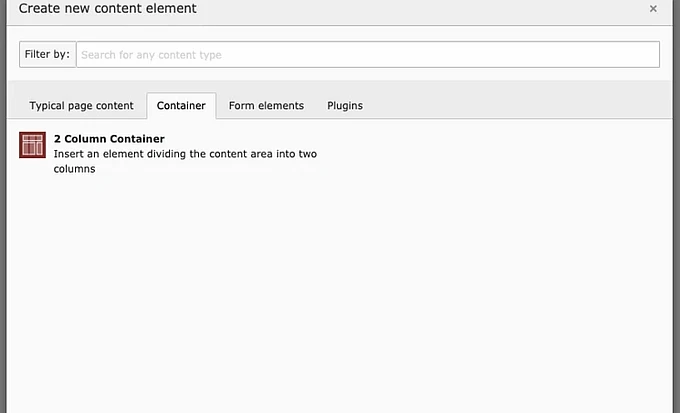
The Container Extension has made editing in TYPO3 easier than ever. Learn about the award-winning extension, its uses and key benefits for editors.


Introducton
How the EXT:Container Extension Makes Editing in TYPO3 Easier Than Ever
Ensuring editors are able to efficiently work on their TYPO3 instances is at the heart of the project’s vision, as the community continuously seeks to upgrade and improve the CMS in order to deliver enhanced user experiences.
Extensions are an integral part of this effort, with thousands of extensions to TYPO3 having been introduced since they were established several years ago. To recognize these contributions, and celebrate the important role they play in the continued growth and evolution of the project, the 2025 TYPO3 Awards introduced their inaugural “Best Extension” category. A community-driven initiative aimed at recognizing the most impactful additions to the CMS.
The community’s choice: the Container Extension, maintained by backend developer Achim Fritz from TYPO3 Solution Partner b13.
This award is more than a technical footnote. It highlights a way of working with TYPO3 that many teams already rely on: structuring content in a clear, flexible way that supports both long-term stability and a modern editing experience.
In this article, we look at:
- What it actually does — in a nutshell,
- How it is built for stability and adaptability
- Why the Container Extension received this recognition
A new Spotlight on TYPO3 Extensions
TYPO3’s strengths as a reliable CMS are not just defined by the Core, but also by the ecosystem around it. Extensions enable TYPO3 to adapt to very specific requirements while keeping the platform maintainable and future-proof.
With the “Best TYPO3 Extension” award, the community shines a light on this effort: on people who build and maintain tools that thousands of users rely on every day.
That the Container Extension received this award is a strong signal:
- It solves a common, everyday problem in TYPO3 projects,
- it is used widely by agencies and in-house teams,
- and it does so in a way that remains close to TYPO3’s own principles of structure and clarity.
What the Container Extension does—In Short
Many readers on TYPO3.com will already know the Container Extension. For everyone else, here is a brief overview without going into implementation details.
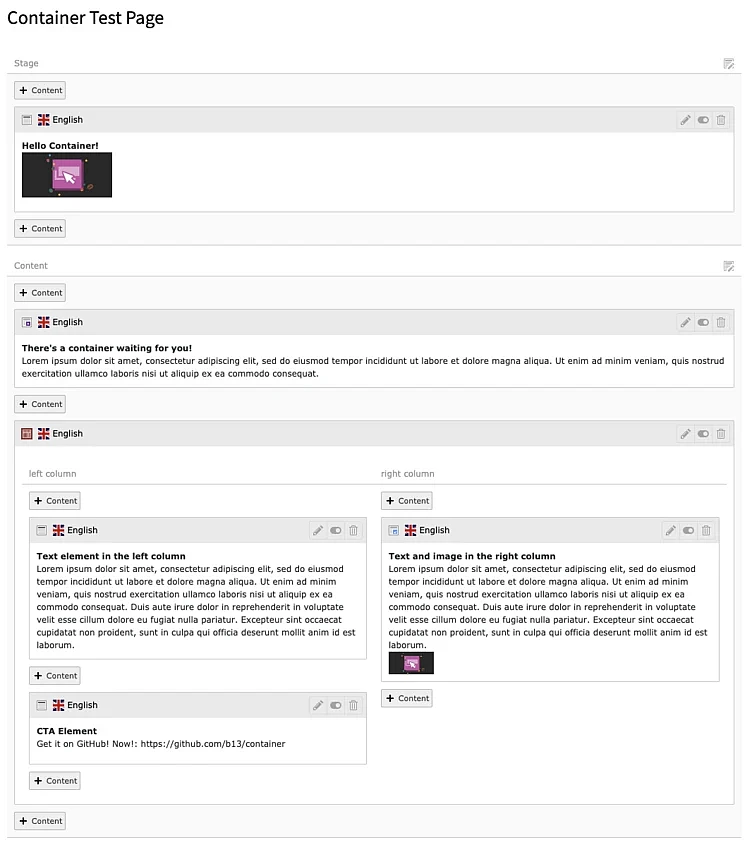
The extension introduces container content elements:
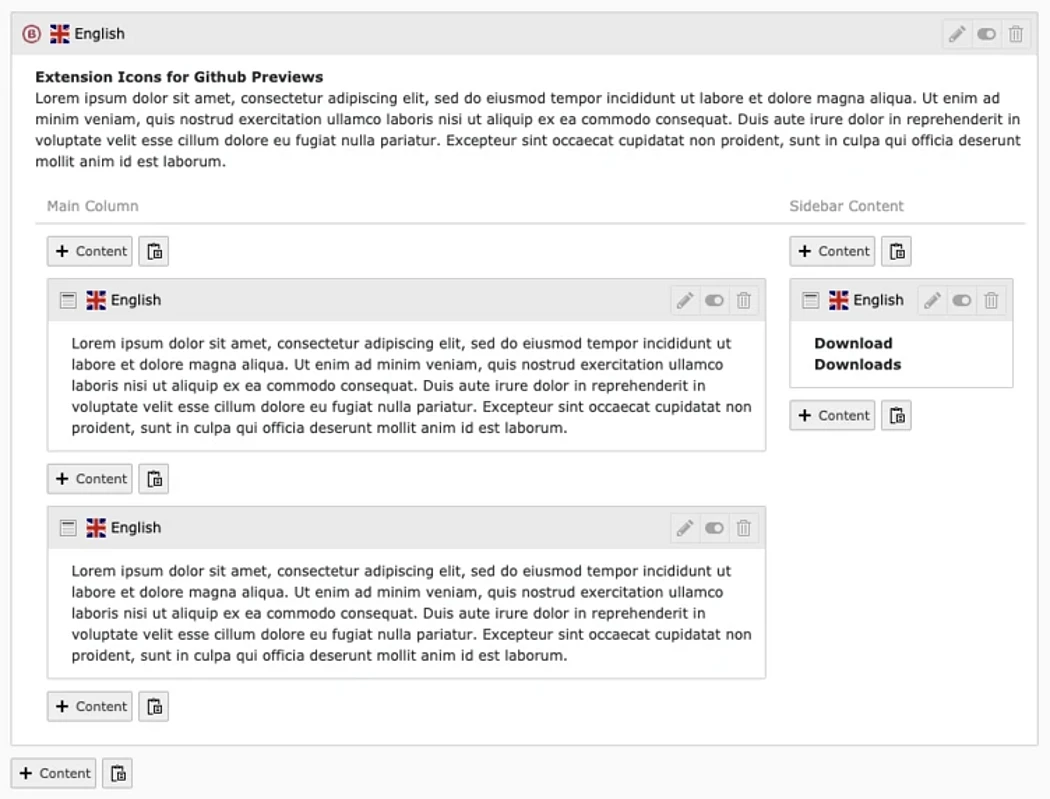
- A container is a content element that can hold other content elements.
- Each container defines one or more areas (for example, “left column” and “right column”).
- Editors add their usual TYPO3 content elements into these areas.
This makes it possible for editors to build layout sub-structures directly inside a page, such as:
- two-column sections,
- rows of teasers or cards,
- grouped “hero + text + call-to-action” areas,
- or reusable content sections on long pages.
Instead of scrolling through a long list of single content elements, editors work with named sections that match the page's structure. The result is:
- a more straightforward page layout in the backend,
- more consistent layouts in the frontend,
- and content that is easier to maintain over time.
How EXT:Container Supports TYPO3’s Core Strengths
The Container Extension fits neatly into two central themes of the TYPO3 ecosystem.
1. TYPO3 as a reliable CMS
Long-lived TYPO3 installations need structure and stability. Container elements contribute to this by:
- keeping content organized into meaningful sections,
- reducing the need for one-off templates or ad-hoc layout workarounds,
- and integrating closely with TYPO3’s existing concepts instead of replacing them.
Because the extension stays close to the Core, it supports upgrade-safe projects and avoids unnecessary complexity. For organizations that plan with TYPO3 over many years, this is a key aspect of reliability.
2. TYPO3 as a modern, editor-friendly CMS
At the same time, modern websites need flexible layouts and a good editorial experience. Containers help by:
- allowing editors to build pages from reusable sections,
- making complex pages easier to understand and adjust,
- and supporting use cases like landing pages, campaign pages, or content-rich detail pages.
Editors can work confidently with layouts that stay within the design system—without needing custom development for every new idea. This is a practical example of TYPO3 being both powerful and accessible for editorial teams.
Because the Container Extension uses TYPO3’s established mechanisms, it integrates well into existing site packages and development workflows. This makes it easier to maintain projects over time and align them with design systems and accessibility requirements.
Decision makers: stability and adaptability
For decision makers, the combination of reliability and flexibility is crucial. The Container Extension supports:
- long-term stability through structured content and a Core-aligned approach,
- and day-to-day agility by giving editorial teams more autonomy to shape pages.
This balance is a concrete example of TYPO3’s positioning as a platform that can grow with an organization’s digital strategy.
The Maintainer Behind the Container Extension
The Container Extension is developed and maintained by Achim Fritz, backend developer at TYPO3 Solution Partner b13.
Achim has been active in the TYPO3 community for many years, contributing to the TYPO3 Core, sharing knowledge, and helping others in community channels. Within the TYPO3 ecosystem, he is often referred to as the “Container Guy”—a nickname that reflects the close connection between his work and structured content editing in TYPO3.
The award for “Best TYPO3 Extension” recognizes not only a specific feature set, but also the ongoing commitment required to keep a widely used extension stable, modern, and well-documented.
Conclusion
By winning the “Best TYPO3 Extension” award, the Container Extension underlines how important well-designed extensions are for TYPO3 as a whole. The Container extension helps editors structure pages more clearly, gives agencies and integrators a maintainable way to model layout patterns, and supports organizations that rely on TYPO3 as a reliable, modern CMS.
For anyone building or maintaining TYPO3 projects today, it is a good moment to (re)discover container content elements and consider how they can support more structured content, better collaboration, and long-term stability.
Helpful links:
https://b13.com/blog/flexible-containers-and-grids-for-typo3
https://b13.com/blog/flexible-containers-and-grids-for-typo3-part-two
https://b13.com/blog/flexible-containers-and-grids-for-typo3-part-three
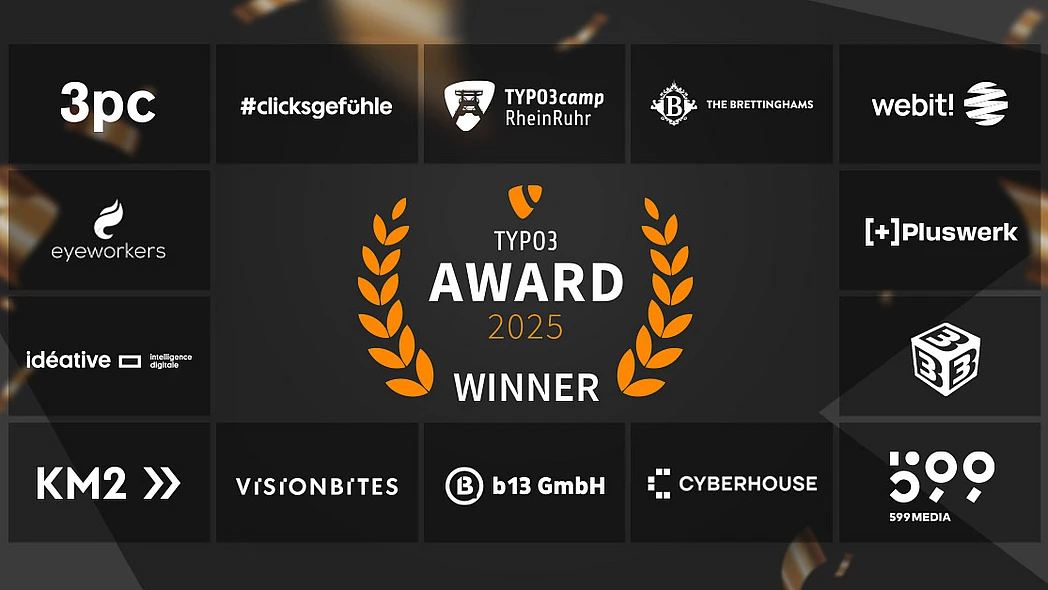
TYPO3 Awards 2025 Recognize Exceptional Projects Across the TYPO3 Community
With numerous submissions and strong commitment from the TYPO3 community, the jury awarded projects that showcase the community’s creativity, strength, and technical skill.

