
TYPO3 Association Joins the European Open Source Academy’s Partner Program
Unanimously approved by the TYPO3 Association Board and funded by the Community Expansion Committee, the partnership starts 1 November 2026. It creates opportunities for joint work on open source policy, skill transfer, and sustainable local business models across Europe.

On 1 November 2026, the TYPO3 Association will join the European Open Source Academy (EOSA) partner program as a Subscriber. EOSA brings together commercial, academic, public-interest, and civil society organizations to strengthen the open source software and hardware ecosystem in Europe. Its partners include the European Open Source Business Association (APELL), CERN, and the Open Source Initiative (OSI).
The European Commission provided EOSA’s initial funding. The Academy is now becoming an independent non-profit organization incorporated in Belgium. It is best known for its annual European Open Source Awards.
The TYPO3 Association Board unanimously approved the proposal at its 16 September 2026 meeting. The TYPO3 Community Expansion Committee initiated the process and funds the participation from its own budget.
Part of a Longer Policy Commitment
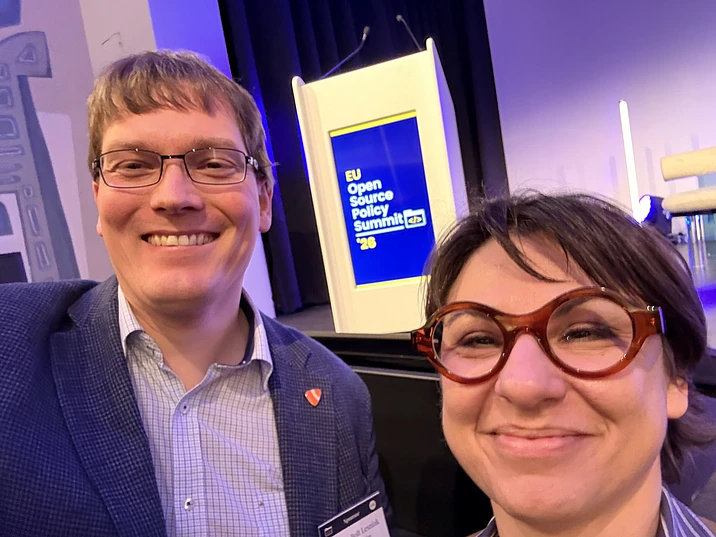
EOSA builds on a longer history of European open source policy work. OpenForum Europe, a think tank based in Brussels, Belgium, was instrumental in setting up the Academy. In January 2027, the TYPO3 Association will sponsor OpenForum Europe’s EU Open Source Policy Summit for the fourth year in a row. This makes joining EOSA a natural next step.
Policy has also become more consequential for open source. The EU’s Cyber Resilience Act introduces new requirements and reporting obligations, some of which also affect non-commercial open source projects such as TYPO3. It also defines a new legal role, the open source software steward, for organizations that provide sustained support for open source software used commercially.
Opportunities for Open Source in Europe
The EU Open Source Strategy places open source at the center of the EU’s digital sovereignty efforts. The TYPO3 Association’s open source mission and its practice as a democratic, not-for-profit organization open new opportunities for collaboration on openness and interoperability, in Europe and beyond.
The Community Expansion Committee works for financial independence, digital sovereignty, local jobs, and business opportunities for local companies. This aligns closely with EOSA’s four strategic goals:
- Skills and Education: Empowering future generations through open source education, training, and outreach.
- Advocacy and Awareness: Representing European interests in global open source dialogue and policy.
- Business and Impact: Supporting entrepreneurship and sustainable ecosystems built on open source principles.
- Excellence and Achievement: Celebrating outstanding contributions from European open source software and hardware communities.
Skill Transfer Through Real Projects
Skills and education is one area where the TYPO3 Association and EOSA can work together. A shared focus is practical training that supports Europe’s digital sovereignty policy and the long-term maintenance of open source in the public sector.
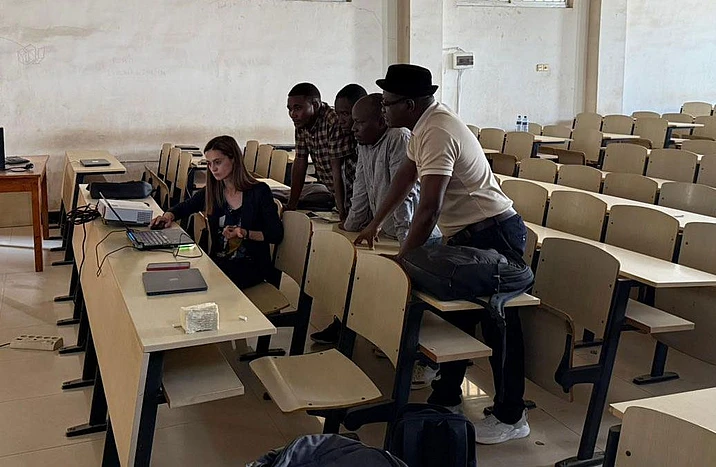
In the Community Expansion Committee’s experience, skill transfer happens through paid work on real projects, not through classroom training alone. People who help build and run public digital infrastructure gain skills that a course cannot provide, and that expertise stays in the country when the project ends.
TYPO3 is used in large-scale projects in higher education and government, and the TYPO3 community can share the expertise gained from them.
Helping Decision Makers Understand Open Source
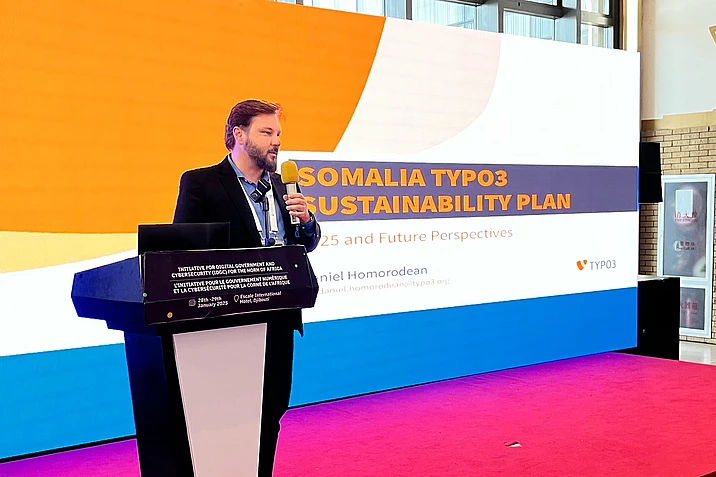
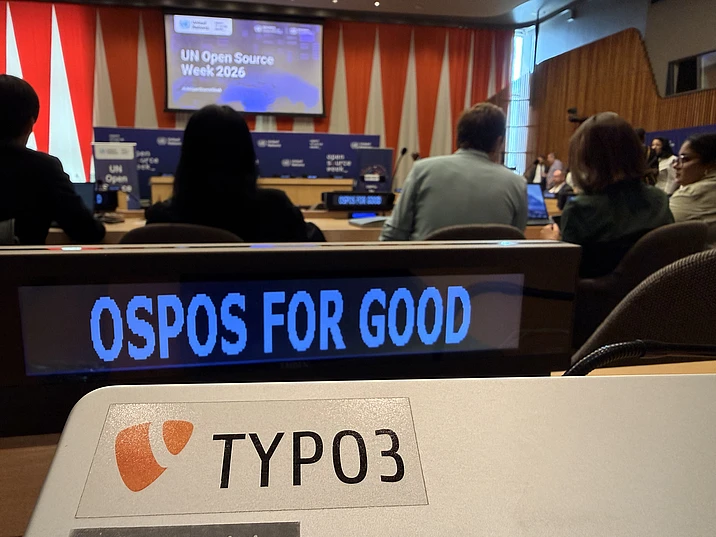
Advocacy is central to EOSA’s work. It aims to represent European interests when open source policy is discussed globally. The Cyber Resilience Act shows why this matters, because new laws directly affect how open source projects work. By appearing together at major events, the TYPO3 Association, EOSA, and other open source organizations can help decision makers understand how open source is built and maintained.
For TYPO3, open source is about more than software. Projects like ours are built by people collaborating across borders. Such global professional networks support human development and peaceful coexistence.
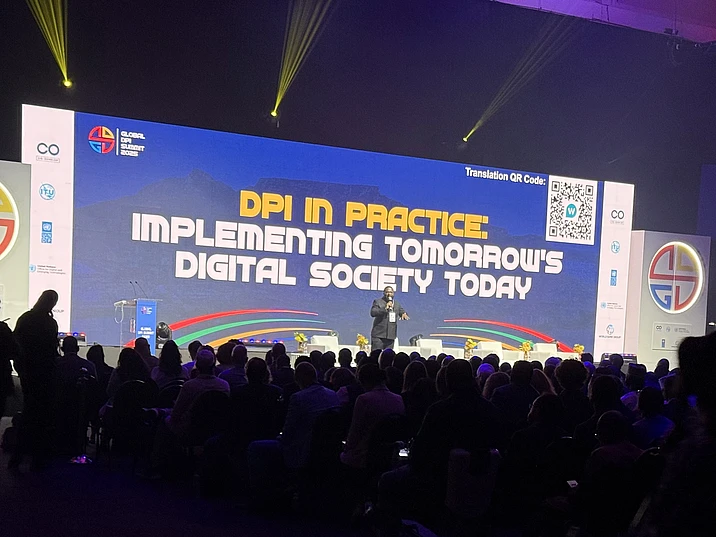
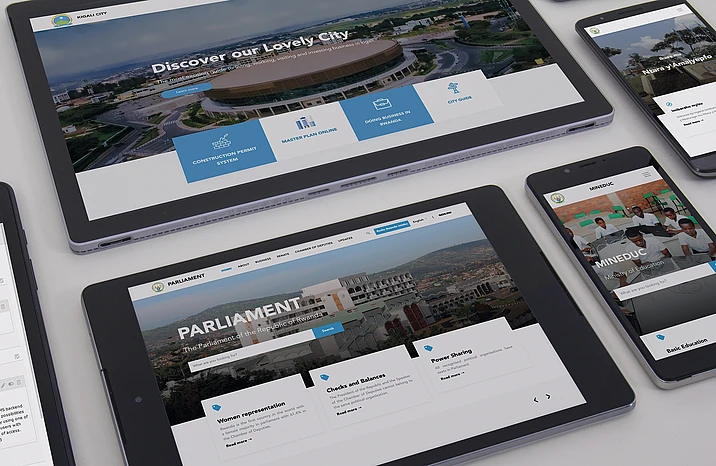
The Community Expansion Committee brings this experience from its work with national governments, such as those of Rwanda and Germany. It also works with international bodies such as GovStack and the International Telecommunication Union (ITU). Its knowledge-transfer projects in the Global South show how digital infrastructure projects can support digital transformation while creating sustainable financial cycles in local economies.
Building Local Businesses and Local Economies
EOSA also supports companies and ecosystems built on open source, under its Business and Impact goal. The TYPO3 community has much expertise in sustainable open source business models, especially in enterprise, higher education, and the public sector.
One example is standardization. When many public institutions build their websites on the same open source standard, local companies can learn it, compete for contracts, and maintain the results. TYPO3’s Government Website Standardization Handbook describes this as industrial policy: more of the public budget and the tax revenue it generates stays with local businesses instead of going to a single outside vendor.
Together, EOSA and the TYPO3 Association can also apply for funding. Such initiatives can combine EOSA’s awareness and skills work with TYPO3’s experience in knowledge transfer and implementation.
Showcasing Well-Run Open Source Projects
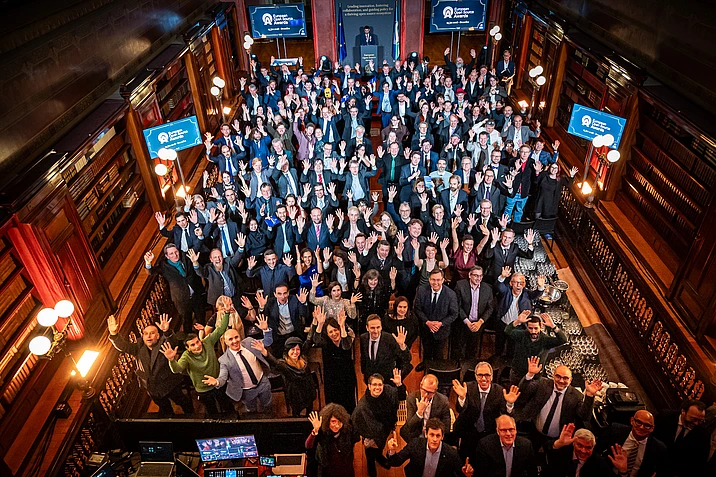
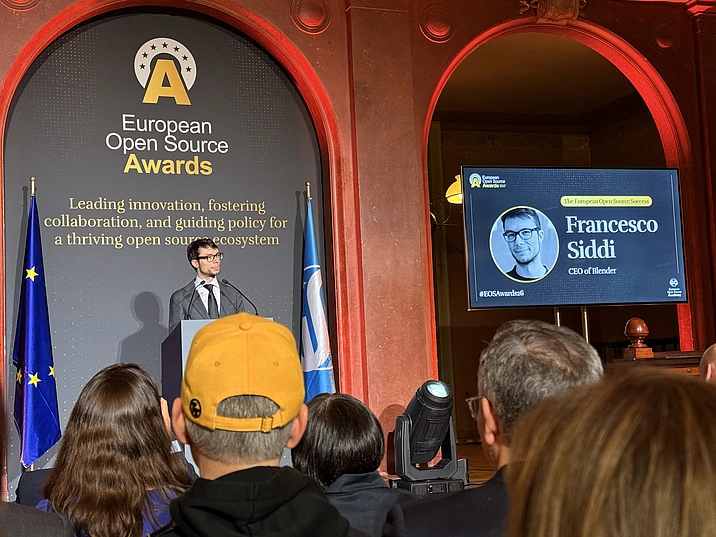
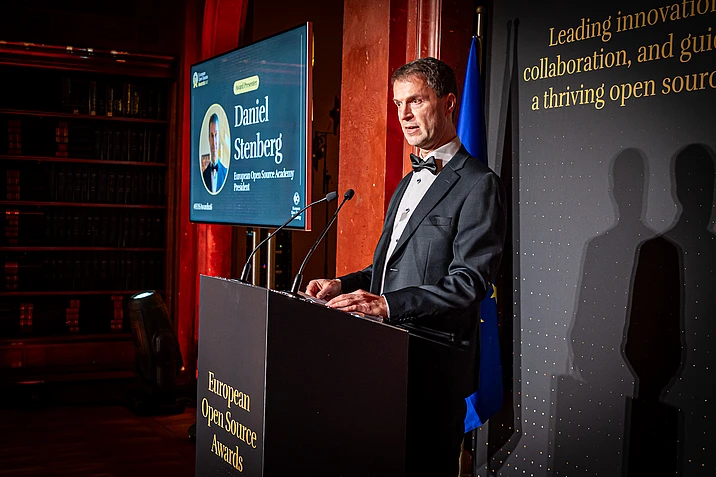
Through the European Open Source Awards, EOSA recognizes outstanding European open source work and its value to society and the economy. The awards are the most visible part of its Excellence and Achievement goal.
Content management systems deserve a place in this picture. A large share of Europe’s public and private sector websites run on an open source CMS. How well that CMS is maintained and governed therefore affects every organization that relies on it.
The TYPO3 Association plans to document examples of well-governed maintenance and standardization in the CMS field for EOSA’s publications.
Get Involved
Do you know of open source work in the CMS community that deserves a European Open Source Award? The call for nominations for the European Open Source Awards 2027 is open until 1 November 2026.
To learn more about the TYPO3 Association’s work connecting open source to public-sector digital infrastructure, visit the Community Expansion Committee page, or reach out to committee leader Daniel Homorodean.
