
Different Projects, Shared Challenges: Notes From Open Source CMS 26
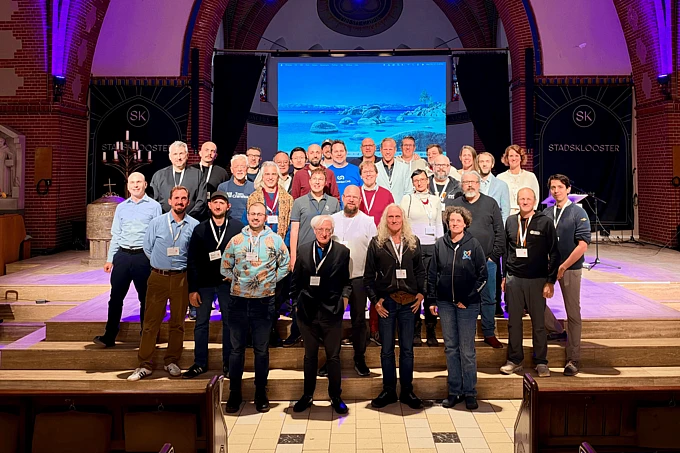
In October, people from eight open source CMS projects met in Utrecht, Netherlands. I went to learn how other communities work. I came home with new contacts, a shared statement, and a live lesson in cooperation.

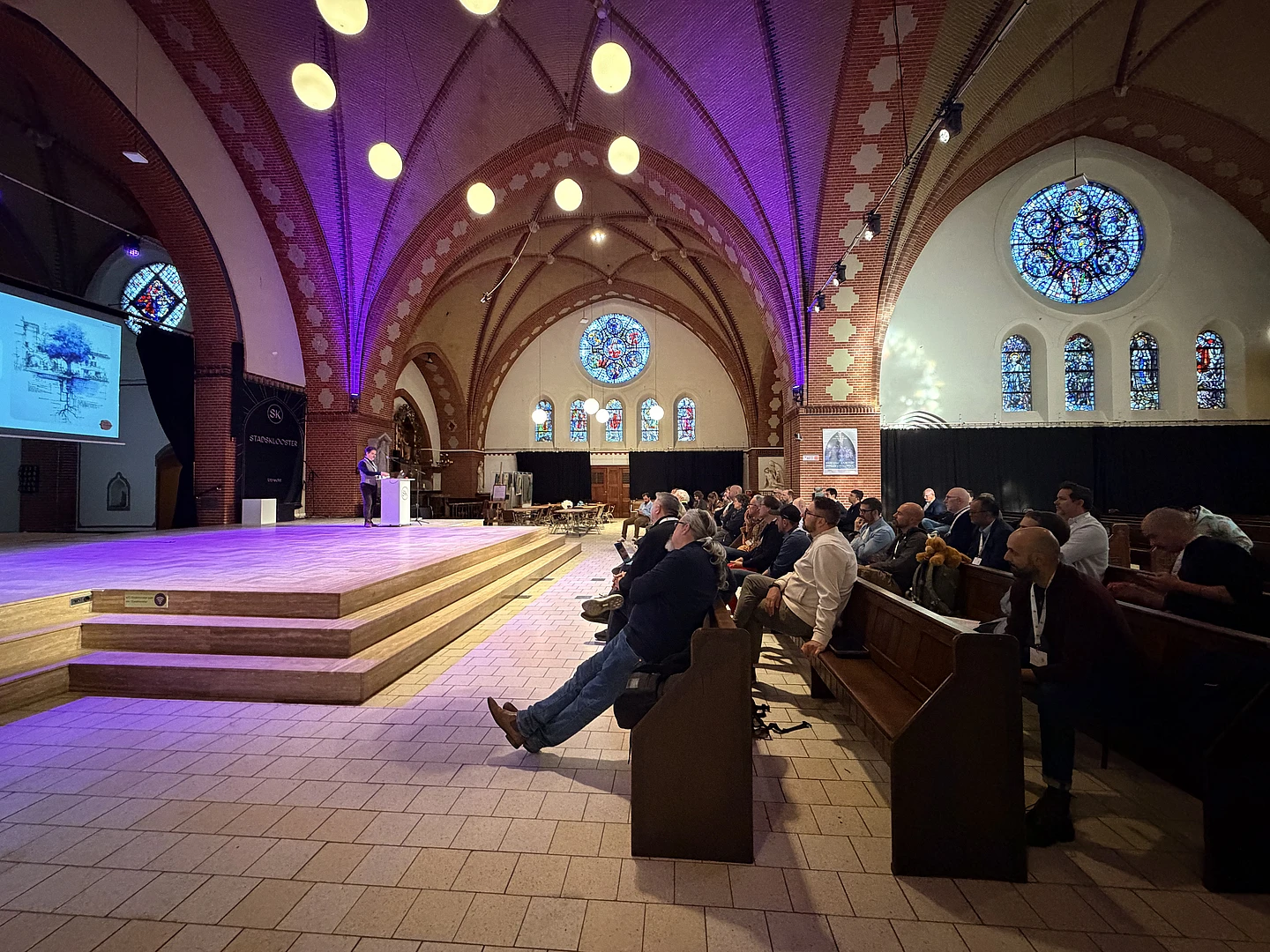
Open Source CMS 26 took place on 20–21 October 2026 at Stadsklooster Utrecht, a former church. Janus Boye of Boye & Co organized it as the first vendor-neutral conference for the open source CMS community. It brought together CMS projects, agencies, hosting companies, and practitioners from Europe and North America.
TYPO3 sent 11 people, among them TYPO3 Company CEO Daniel Fau, TYPO3 Association President Olivier Dobberkau, Core Team Lead Benni Mack, and Project Ambassador Mathias Bolt Lesniak. I was there as a project manager at Plexus Tech, a TYPO3 partner agency in Spain.
Learning How the Others Do It
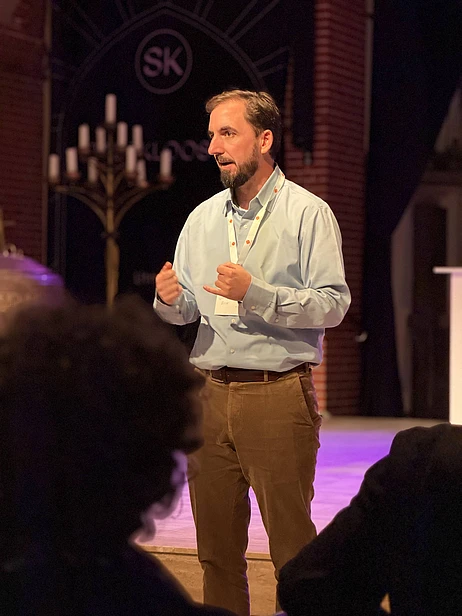
Almost my whole career has been with TYPO3. I know WordPress too, but I wanted to see different approaches to content management and different practices. So I went just to learn, not to chase a specific business goal.
I have followed Janus's work for a very long time, and I admire his agnostic perspective on the industry. At his events, the business side stays in the background: we are there to share knowledge, learn about trends, and talk about the technicalities. Some speakers were a reason to go in themselves, like John Blackbourn, Tom Cranstoun, or Marc Salvatierra from ICANN.
Mainly I met other TYPO3 agencies. I also met people from other ecosystems, like Karim Marucchi of Crowd Favorite, who comes from the WordPress world (but is now a TYPO3 partner).
When PHP Broke, Nobody Panicked
On the second day, news of critical PHP vulnerabilities broke in the middle of the conference. It was like a living historical moment, right there in the room.
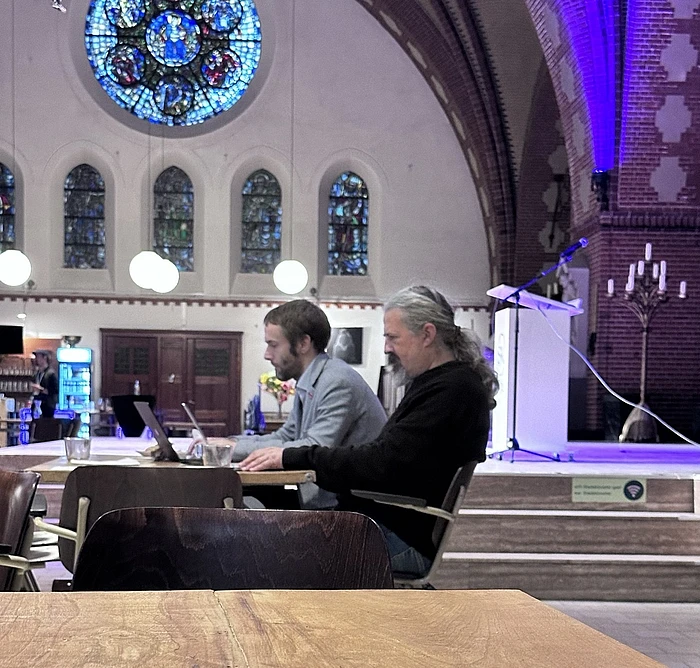
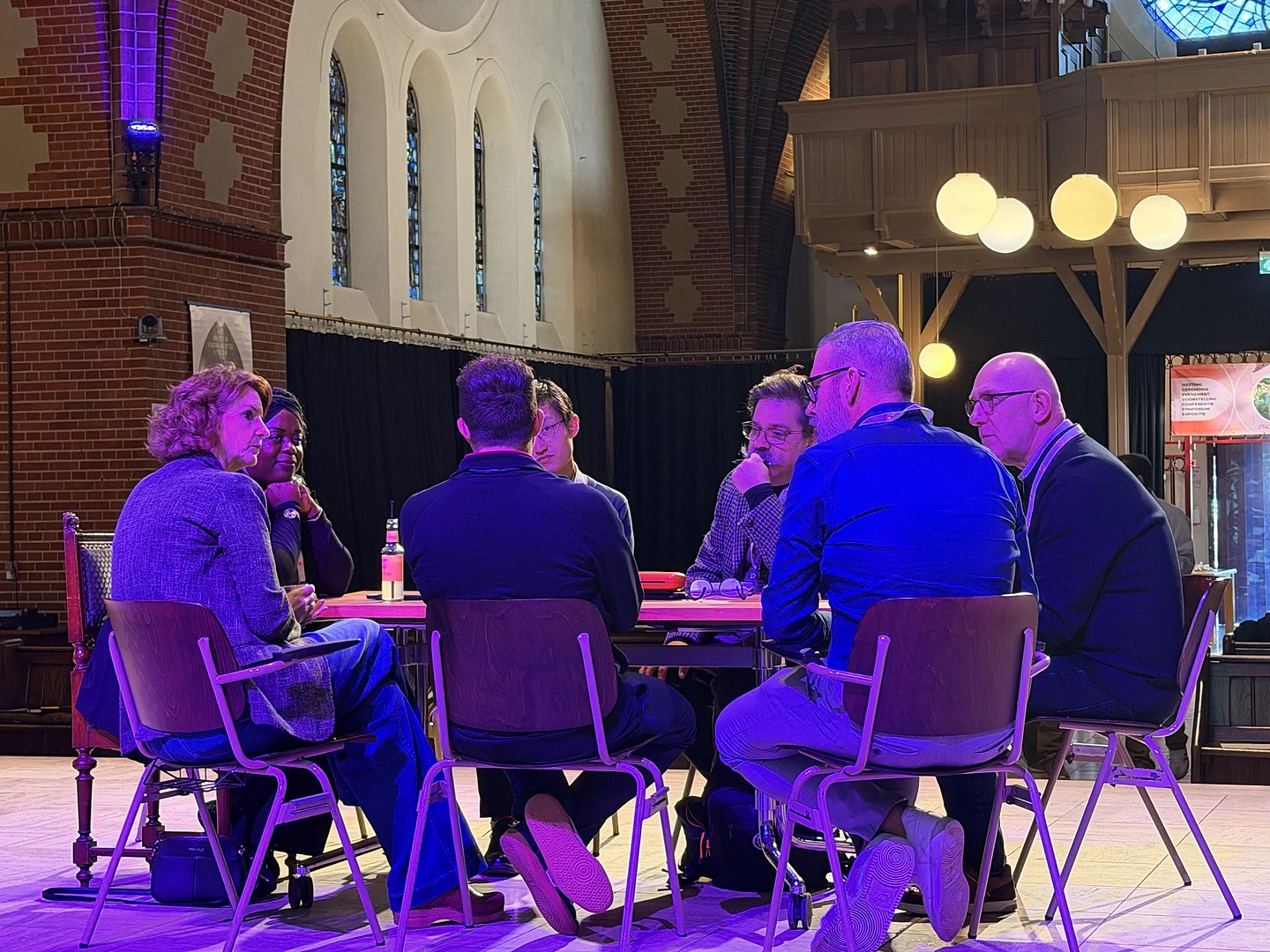
Between supporting my own projects and clients, whenever I grabbed a coffee I saw tables of people focused on the work. They were coordinating, checking the state of things, and getting information from the different communities. Director of WordPress Security, John Blackbourn, was working with people from Joomla, and Mathias, Benni, and others from TYPO3 were in it too.
The right thing is that no one got really nervous. It was under control: this is what happened, this is what we have to do, this is what we know. It was a real case of how different products and communities can work together for the common benefit.
Open Source Runs the Internet, but the Money Sits Elsewhere
I appreciated Karim's message: let's leave the silos and work together. Tom Cranstoun gave another really good presentation, Freely Available, Never Free. Most of the internet runs on open source products, but the money is mostly on the commercial side.
Open source projects have really good products. We just have to sell them properly and coordinate better, while respecting the differences each community has. If we set a common base for collaboration on issues like security and accessibility, we have more to gain than to lose.
From Intentions to Specifics
The conversations led to the Utrecht Statement, a short text that grew out of the conference. It builds on what we share: challenges like security and governance, and a lot to learn from each other.
The statement moves us from words and intentions toward specifics. That is a huge challenge, because open source has no boss or owner who says, “We have to do this.” It needs agreement from a lot of people, and the statement is the proof that we can make it.
It's still a small step, but it's a step. Having that commitment from the main open source projects, who were there and taking part actively, is a huge milestone in my opinion.
Trust Is What Big Clients Buy
Funding was another really good topic. Huge corporations and government institutions buy based on confidence. If they don't trust the organization behind a product, they won't choose open source, because a big vendor can promise millions of euros and plenty of people working on it.
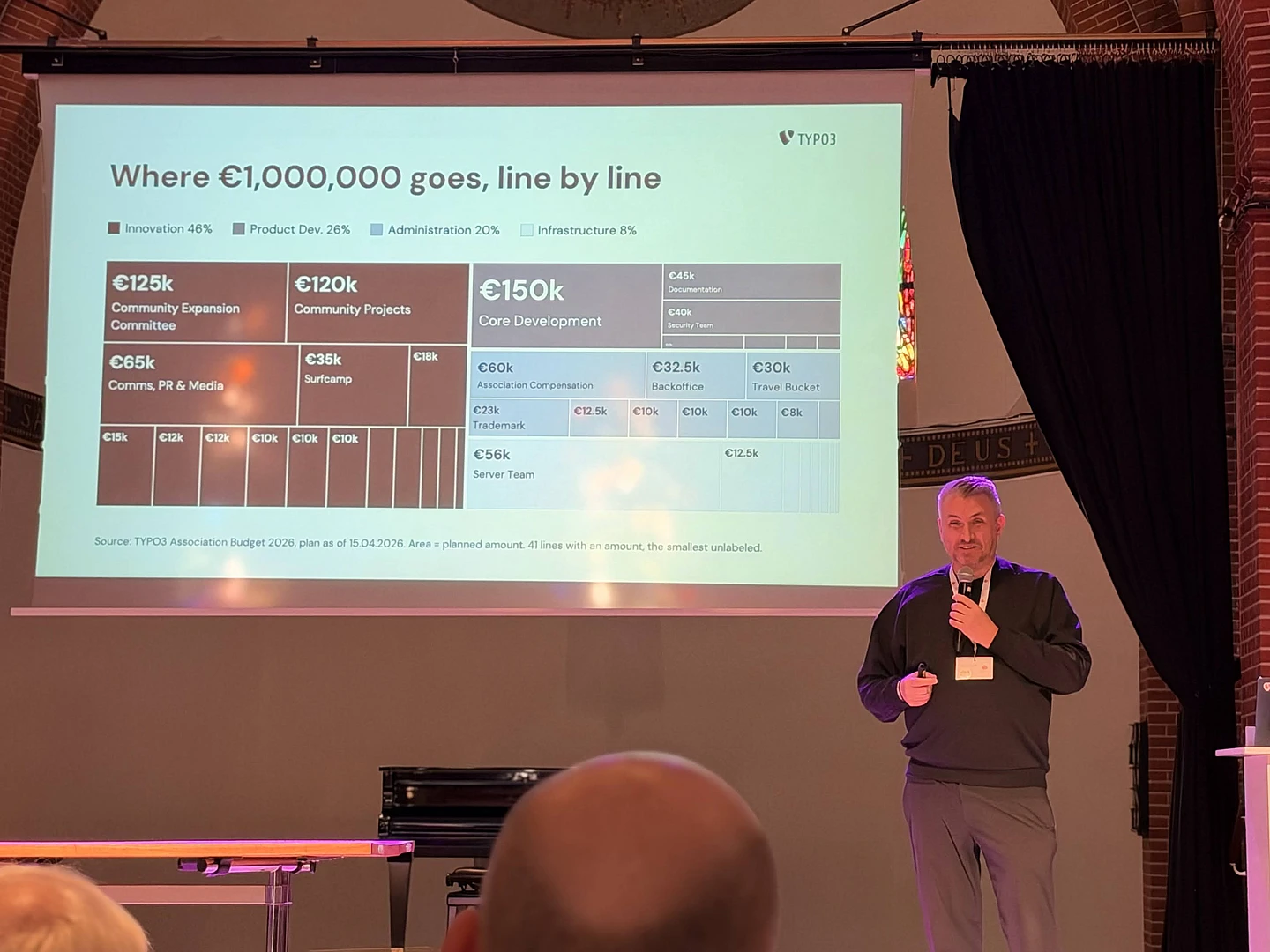
That's why I value how the TYPO3 community communicates its budget: here it is, and here's how we use it. Without a clear strategy for income, you can't pay the security team, the infrastructure team, or the roadmap. As a result, the bigger clients don't hire you.
I think TYPO3's communication about governance and professional open source is something we can share with the other projects. If Joomla, Drupal, and WordPress are also seen as professional open source, we all gain as an alternative to proprietary software. Especially in the public sector, it's a question of money, a question of influence, and a question of power.
I'm taking this home too. Plexus has 5,000 employees and works with both open source and commercial solutions. If we work with other projects the way I've worked with the TYPO3 community, we can help professionalize open source practice.
Big Names, No Distance
What I'd most like to highlight about the conference was the easy, comfortable atmosphere. Daniel Fau and Karim Marucchi represent large organizations, Benni leads the TYPO3 product, the WordPress security lead is a big personality in that community, and so is Milana Cap. Yet you felt comfortable around all of them, on the human side and not just the professional one.
I would have liked more time. I got a good overall picture of each CMS project, but I wanted to go deeper into how each product works, and into business development with Karim and the others.
Thank you to Janus Boye and his team for organizing it, and to all the speakers for fostering valuable conversations around business and open source. Open Source CMS 27 returns to Utrecht on 5–6 October 2027. Until then, we have a lot of material to work on, step by step.
